

Imagine waking up and going to stretch or climb out of bed, only to realize you have no feeling in your body—that’s precisely what happened to a millennial woman who remained paralyzed for 10 weeks without answers.
When Charlie Marie Wilson, 38, went to sleep in March 2025, there wasn’t anything out of the ordinary, but when she woke up the next morning, everything had changed. At first, Wilson felt pain throughout her body (as though she’d done a strenuous workout). But the pain didn’t subside with time, and Wilson told Newsweek that her condition “got progressively worse each day.”
Within days, the pain turned into paralysis throughout her body.
“It felt like I'd done a gym workout, but nothing had happened to trigger it,” Wilson said. “It was confusing as to why I was in so much pain. I was getting lumps in my legs, neck, limbs and joints. They were fluid filled and extremely painful to touch.”
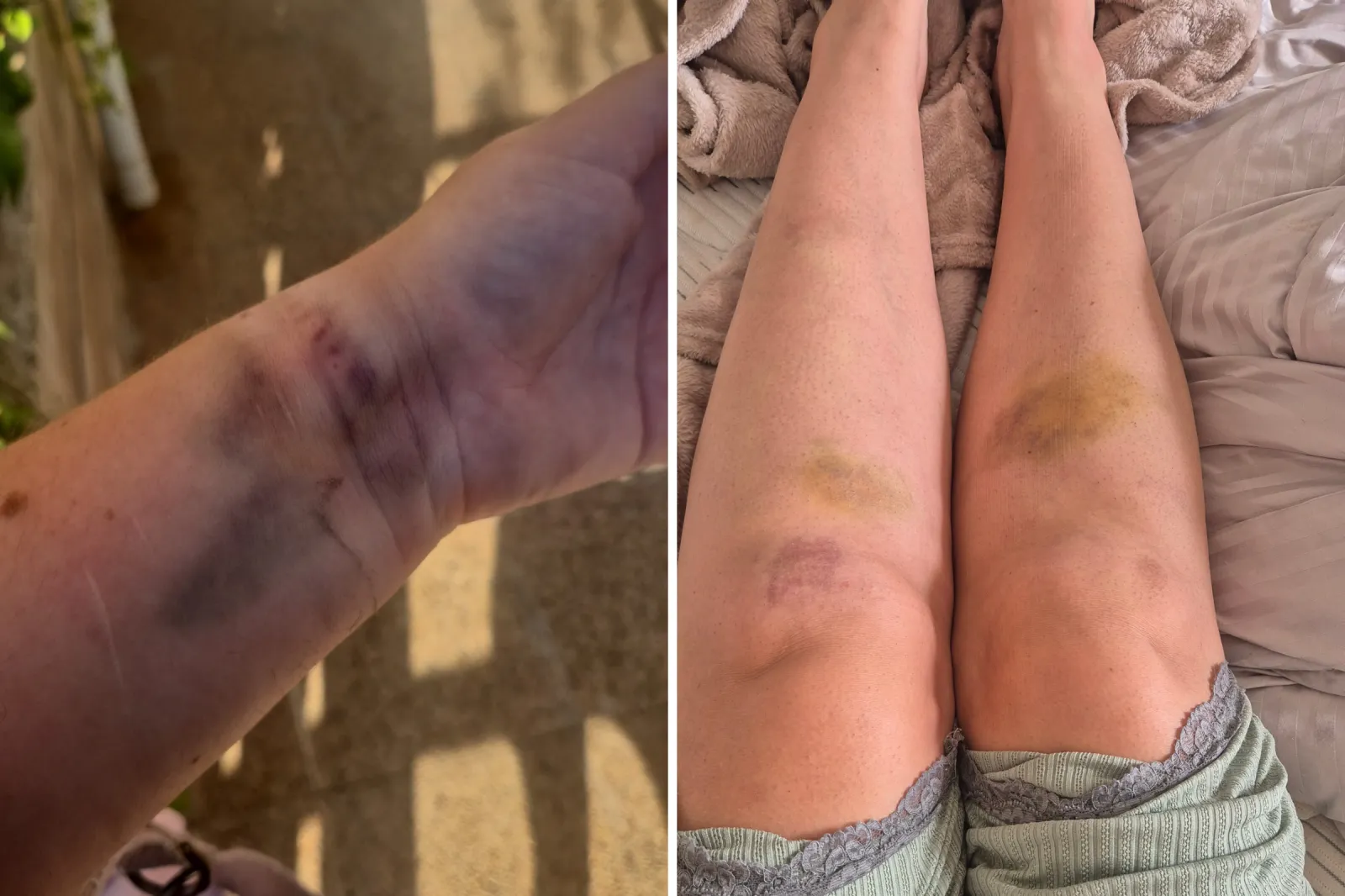
Wilson, who is originally from the U.K. but was residing in Spain at the time, didn’t hesitate to seek medical attention. Unfortunately, doctors were equally dumbfounded and didn’t have any answers. Wilson said it took three weeks before she was finally “taken seriously,” by which point she couldn’t move at all.
“Doctors transferred me to the intensive care unit, and I had a chest scan on my heart and lungs, a brain scan, saw two neurologists, had a PET-TAC and 33 blood tests. After 17 days, they did a biopsy to check for sarcoidosis after the doctors watched more lumps form around my body,” Wilson said.
The lumps were found to be granulomas, which are clusters of immune cells or inflammation in the body. The Cleveland Clinic explains that granulomas wall off bacteria, a foreign object, or something believed to be harmful in the body. While they commonly form in the lungs, they can develop almost anywhere, including the liver, kidney or skin.
Granulomas aren’t usually that serious, but since they’re an immune response, they can be a symptom of an underlying condition.
Wilson remained paralyzed for 10 weeks after the onset of her symptoms. Her physical health was “in pieces,” as was her mental wellbeing. She lost all her independence, mobility and strength, having to rely on friends and family to care for her.
What made it even more challenging was not knowing whether her condition would ever improve. Wilson didn’t know if this was the life she was going to be resigned to forever, or worse, if the condition would be the end of her.
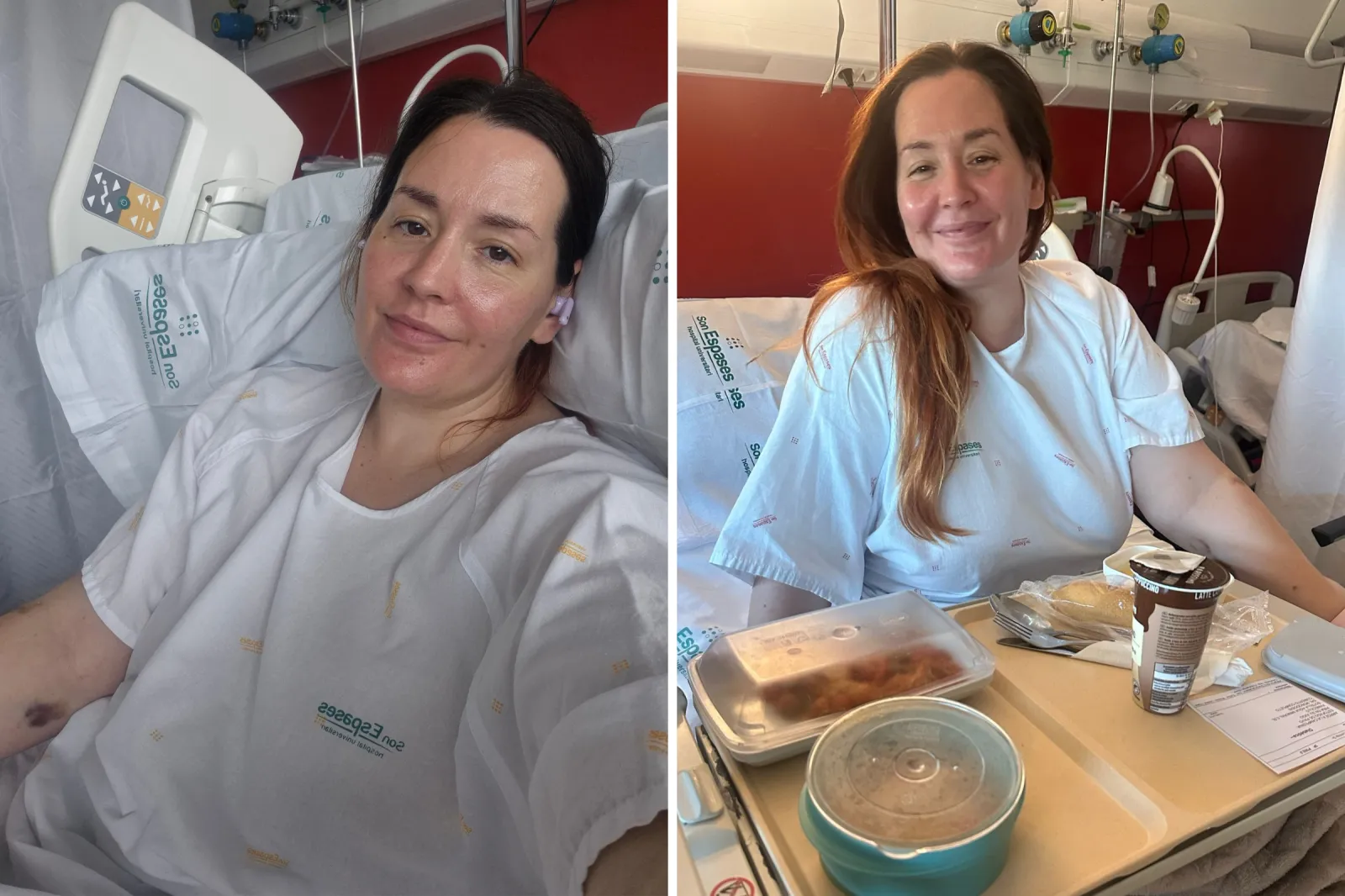
Wilson said: “I couldn't do a single thing for myself; friends and family were carrying me in and out of bed, to the bathroom, feeding me. I already have Border Personality Disorder and it was extremely scary not knowing if I was going to be like that forever, how I was going to get help, or if I was going to die.”
Five weeks after undergoing a biopsy, Wilson was diagnosed with extrapulmonary sarcoidosis in June 2025. Sarcoidosis is a condition that causes the immune system to make granulomas in the lungs or elsewhere in the body, typically affecting people between 25 and 40 years old.
Symptoms include fever, fatigue, muscle aches, night sweats, weight loss, chest pain, and a cough, however they vary depending on where in the body the condition develops. Sarcoidosis in the eye can lead to blurred vision, light sensitivity or eye pain, whereas sarcoidosis of the skin can cause growths, reddish sores, or tender bumps. If the granulomas develop in the nerves, brain or spinal cord, they can impact the central nervous system.
Sarcoidosis is considered a rare disease, with less than 200,000 cases in the U.S. at any given time, according to The Cleveland Clinic.
It was a relief for Wilson to finally have a diagnosis, but she was frustrated when she found very little information about it online. Treatment included steroid medication and anti-inflammatory injections which have led to some gradual improvements.
“I have regained mobility thankfully, however it’s extremely low,” Wilson said. “I can’t walk up or down stairs, shower myself, wash my hair. My twin sister is doing everything for me. When I have a better day, I can move around more freely, but I take it day by day.”
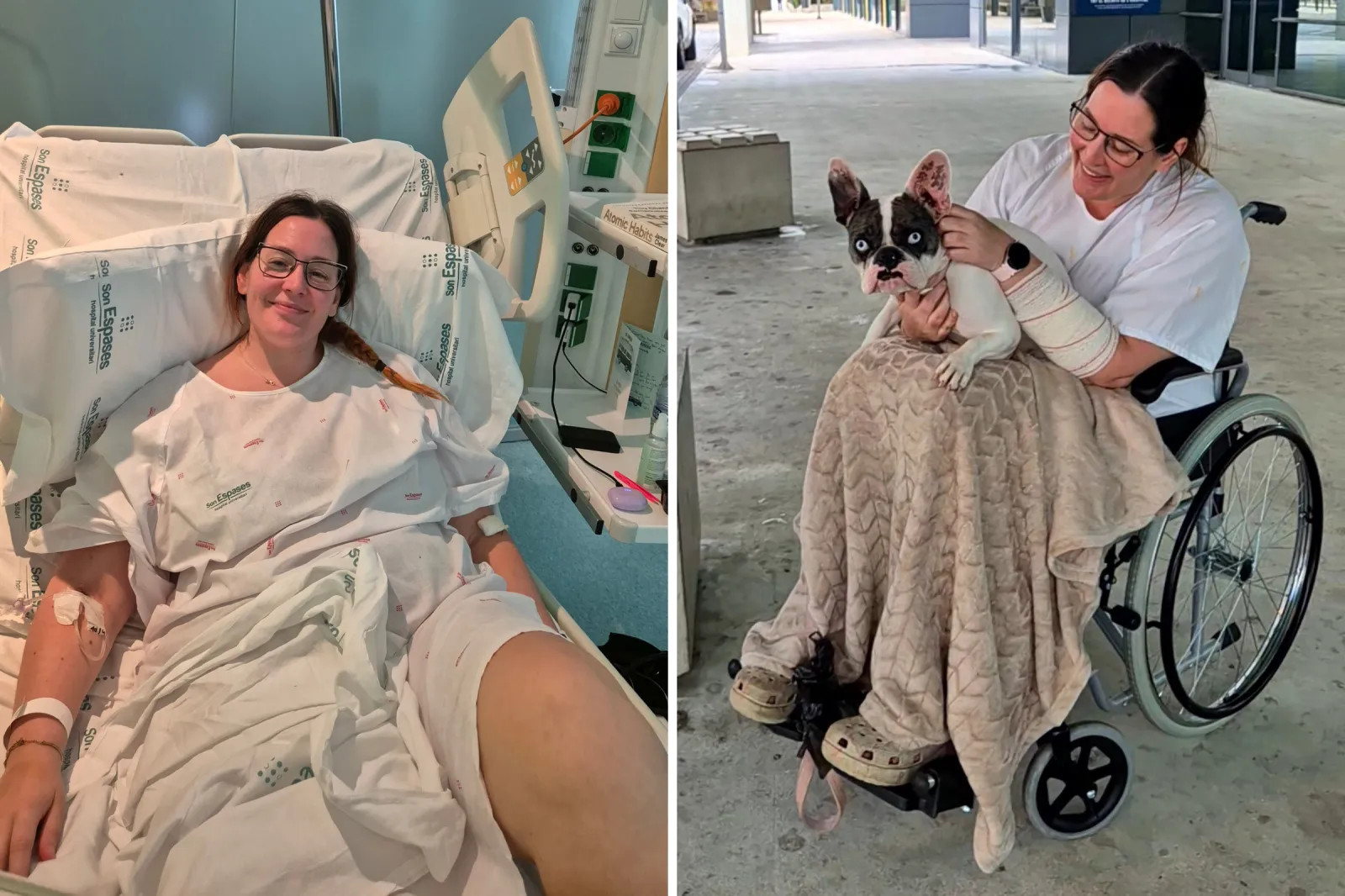
Wilson returned to the U.K. in December to be around friends and family so they could help her.
She has been documenting her experience on social media (@charliemariewilson on TikTok and Instagram) in the hopes of raising awareness. Wilson couldn’t find much information about extrapulmonary sarcoidosis following her diagnosis and certainly didn’t find anyone else with the same condition. So, she hopes to be that source of information and hope for others if they’re ever in a similar situation.
“I want to raise awareness and hopefully find someone else who is also experiencing extrapulmonary sarcoidosis. I’d like to connect with them, so I don't feel so alone with an illness my doctors haven’t even dealt with,” Wilson said.
Is there a health issue that's worrying you? Let us know via health@newsweek.com. We can ask experts for advice, and your story could be featured on Newsweek.



 English (US) ·
