

Sci-fi is quite possibly one of the best genres out there. With stories that imagine complex futures, explore far flung worlds, and examine technology, artificial intelligence and how it all intersects — and sometimes endangers — the human experience, sci-fi not only provides endless entertainment, but offers up difficult questions and valuable insight as well. As a genre, it’s one that works well on both page and screen and right now, it’s a great time to be a sci-fi fan as new movies and books and television shows keep coming out that are giving fans plenty to enjoy.
But while sci-fi is thriving on screen — the upcoming film Project Hail Mary is one of the most anticipated movies of the year — most sci-fi stories begin in books. There is an absolute wealth of fantastic sci- fi books for readers to choose from, many of them taking their stories farther and deeper than any adaptation ever could. Here are ten such books in the sci-fi genre that are absolute masterpieces, some that have been adapted for screen before while others haven’t yet but absolutely could, all of them perfect reads from start to finish. You’ll notice that this list doesn’t include some well-known and beloved classics — books like Dune, Foundation, Frankenstein, and The Left Hand of Darkness for example — but that’s not because they are incredible masterpiece reads. Instead, it’s because the world of incredible sci-fi is so much larger and this list might just introduce you to your next favorite read.
10) Exhalation by Ted Chiang
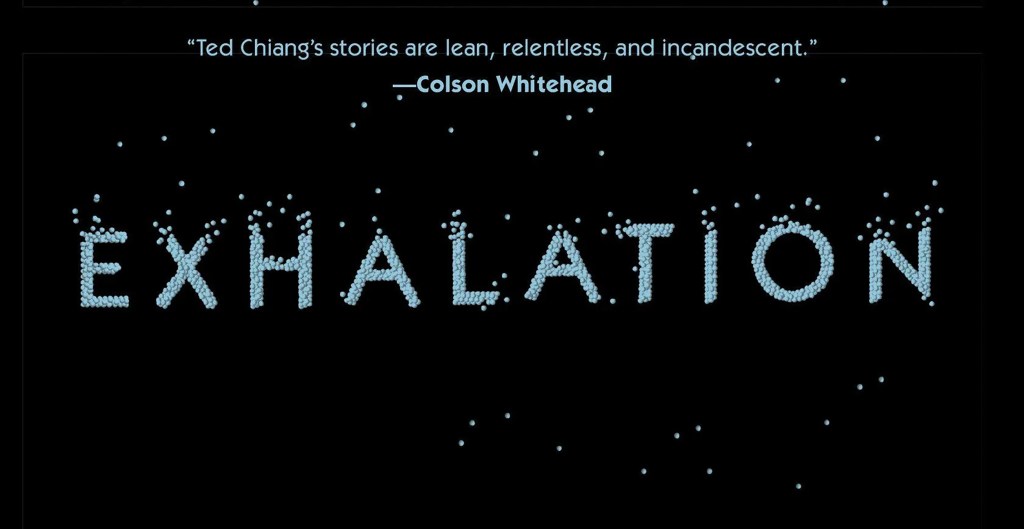
Exhalation is a little bit of a cheat when it comes to putting this title on the list because it’s more of a collection of stories than a traditional novel, but it’s also an absolute masterpiece that pulls of the fine balance of rich emotional depth and serious, deep-thinking science — and if you were a fan of the movie Arrival, you might especially be interested in this one since Chiang wrote the story that movie is based on, “Story of Your Life”.
There are nine stories in Exhalation that cover a lot of sci-fi ground, including time travel and, perhaps most importantly, various issues around artificial intelligence and technology. A hallmark of Chiang’s work is an elegant, intelligent approach to all of his subjects and Exhalation is a brilliant perfect example of that. Even when he gets into the technical weeds, it’s almost like reading poetry.
9) All Systems Red by Martha Wells
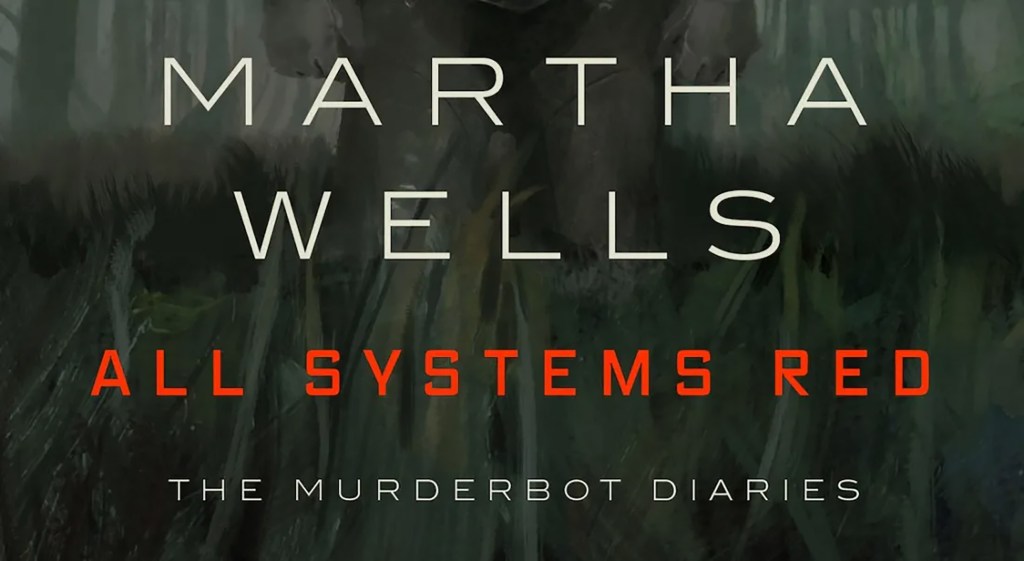
As the first entry in The Murderbot Diaries series, All Systems Red has already been adapted for television thanks to Apple TV+’s Murderbot series (which is also great and you should check it out). However, the book itself is a fantastic work of sci-fi and deserves to be read on its own. The book centers around a security robot that ends up overriding its own programming to become more independent and, as it spends time around humans ends up developing emotions. What makes that complicated is that this security robot is essentially a killing machine so what happens when something designed and programmed to kill suddenly has a conscience?
What makes All Systems Red such a great book is that it is not only well-written (the prose is tight and things move very quickly making it a fast, satisfying read) but it also feels like it could be almost any genre. Sure, this is about a robot so it’s sci-fi, but it also has the feeling of regular adult fiction as well as fantasy as well. It’s smart, it’s entertaining, and it’s deeply enjoyable.
8) Redshirts by John Scalzi
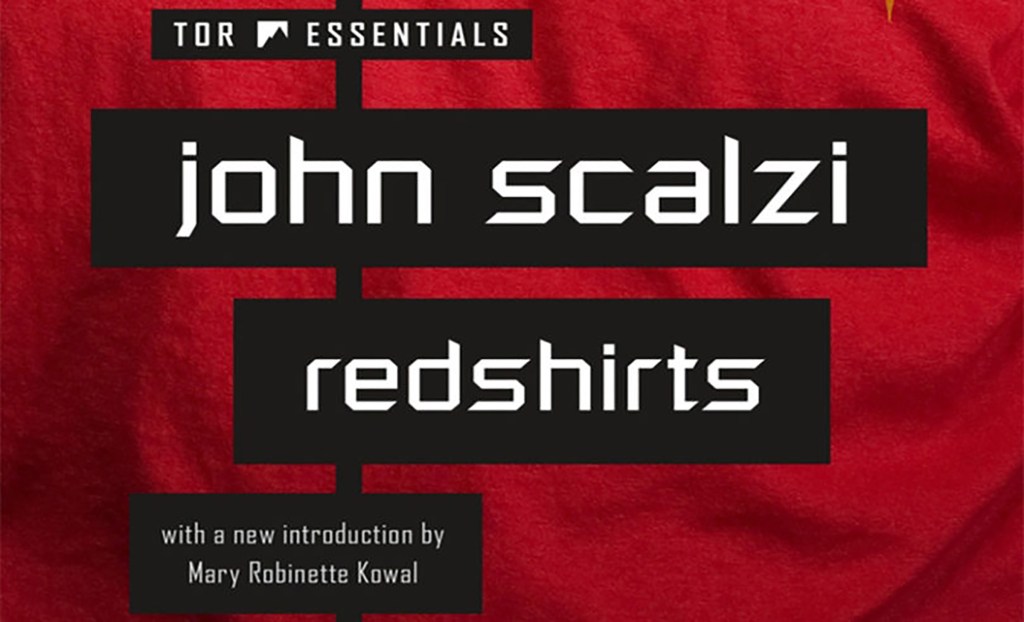
Every Star Trek fan knows about “redshirts”. They’re the low-ranking crew members who wear, you guessed it, red shirts, that end up dying because they are largely expendable in the grand scheme of things. It’s something that has become more or less its own trope in sci-fi and that’s exactly what John Scalzi takes on in the absolutely hilarious sci-fi masterpiece Redshirts. In the book, the low-ranking crew members on the starship Intrepid come to the horrifying realization that the “away missions” they are sent on that always lead to someone dying are actually scripted events for a fictional television show. This prompts them to try to figure out how to change the narrative and save themselves. It’s pretty much a “what if the ill-fated Star Trek redshirts realized what was going to happen”.
The book is funny and is especially entertaining for Star Trek fans, but it’s also a solid satire that really provokes a lot of thought about the idea of free will. There are any number of Scalzi’s books that could end up on this list — as a sci-fi writer, he tends to knock it out of the park frequently — but there is something richly human about Redshirts that really just makes it great.
7) Station Eleven by Emily St. John Mandel
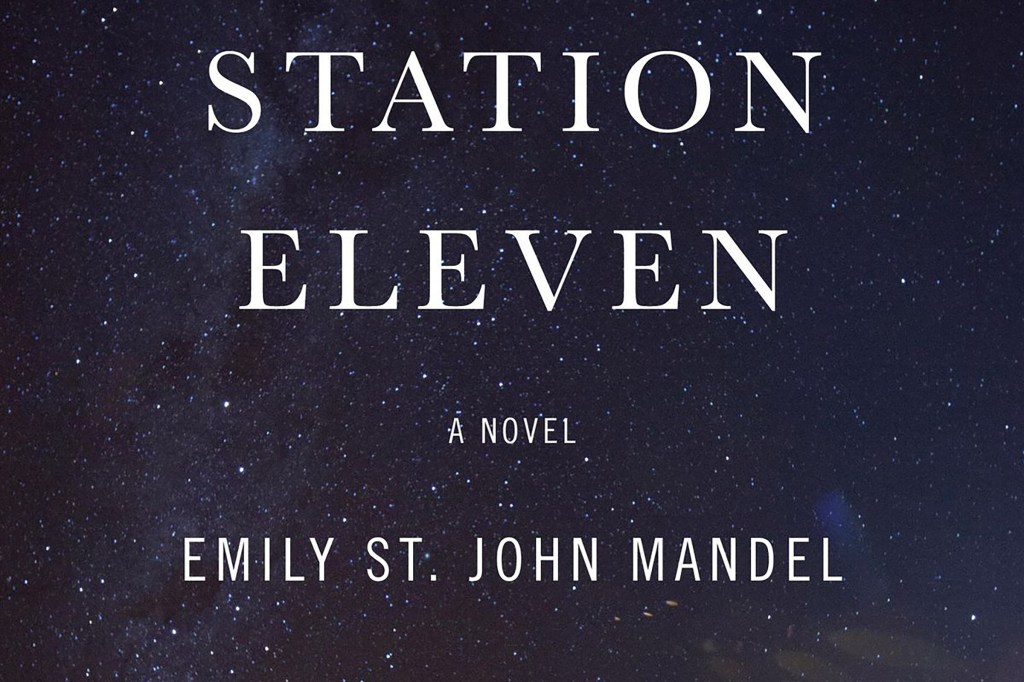
You may argue that dystopian or post-apocalyptic fiction isn’t science fiction, but the truth is it is a rich and interesting subgenre and the home of a lot of truly great stories and novels — including Emily St. John Mandel’s Staton Eleven. While the novel has been adapted for television, the book is something that really should be read on its own, partly because the story differs in some significant ways, but also because the book is an absolute masterpiece.
The novel follows the story of a nomadic troupe of theatre performers and musicians as they bring Shakespeare to scattered settlements two decades after civilization collapsed due to the lethal Georgian Flu. At some point, they find themselves dealing with a dangerous cult leader called the Prophet, shifting the story to being as much about humanity as much as it is about something bigger than simply surviving. It’s a unique and beautiful story that anchors itself not in what is lost, but in what remains, making it one of the most beautiful and hopeful sci-fi novels ever written.
6) The Stand by Stephen King

Another post-apocalyptic novel on this list, The Stand is a classic that has been adapted several times — most recently by CBS All Access (now Paramount+). Like Station Eleven, it takes readers into a world where a flu outbreak decimates human civilization and we follow the survivors, but while Station Eleven is a comforting story about the human spirit, King’s The Stand has more supernatural and horror tones and it’s incredible.
A tale of good versus evil, The Stand goes far beyond merely a sci-fi dystopia to be a story about human nature, morality, and even digs into theology. The characters are fascinating and the world building is expansive. The Stand is terrifying and engaging in equal measure.
5) Sea of Rust by C. Robert Cargill
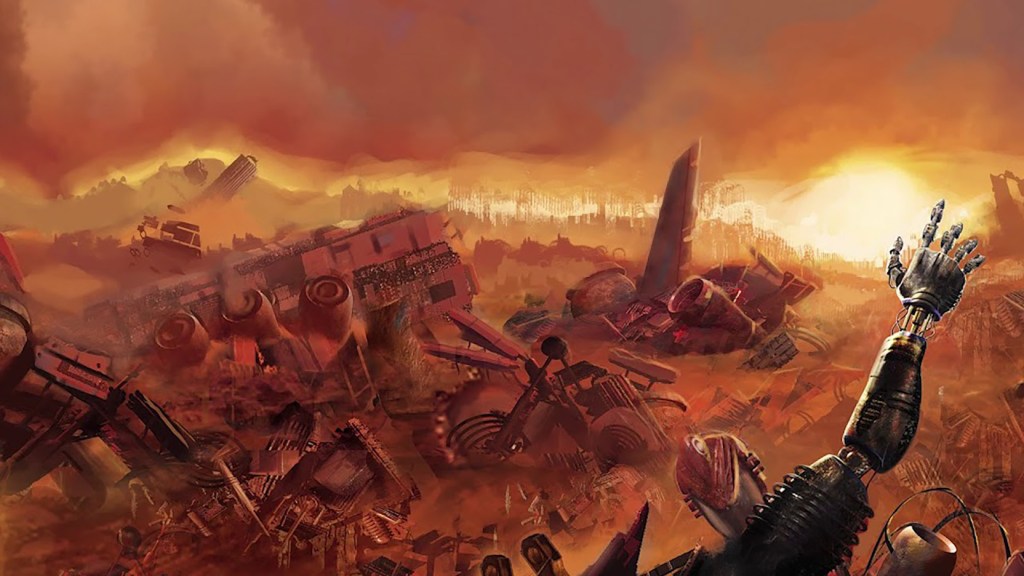
The western is another underappreciated subgenre of sci-fi, but C. Robert Cargill’s Sea of Rust is one of the best examples of it. Essentially a “robot western”, the book has some serious Mad Max vibes, just add robots. The story follows a robot named Brittle who exists in a world where humans have been extinct for 30 years following a war between man and machines. As an oppressive One World Intelligence seeks to assimilate all the robots into an AI mainframe, Brittle and other robots band together to fight back.
There’s a lot about Sea of Rust that is interesting. The book explores themes of existence and survival, but also asks some big questions, like does a robot count as life and are the things that human beings create bound to fall to our same weaknesses? Ther’s also something really fascinating about the idea that there are robots that oppose AI as much as many people do, especially as it threatens individuality.
4) Project Hail Mary by Andy Weir
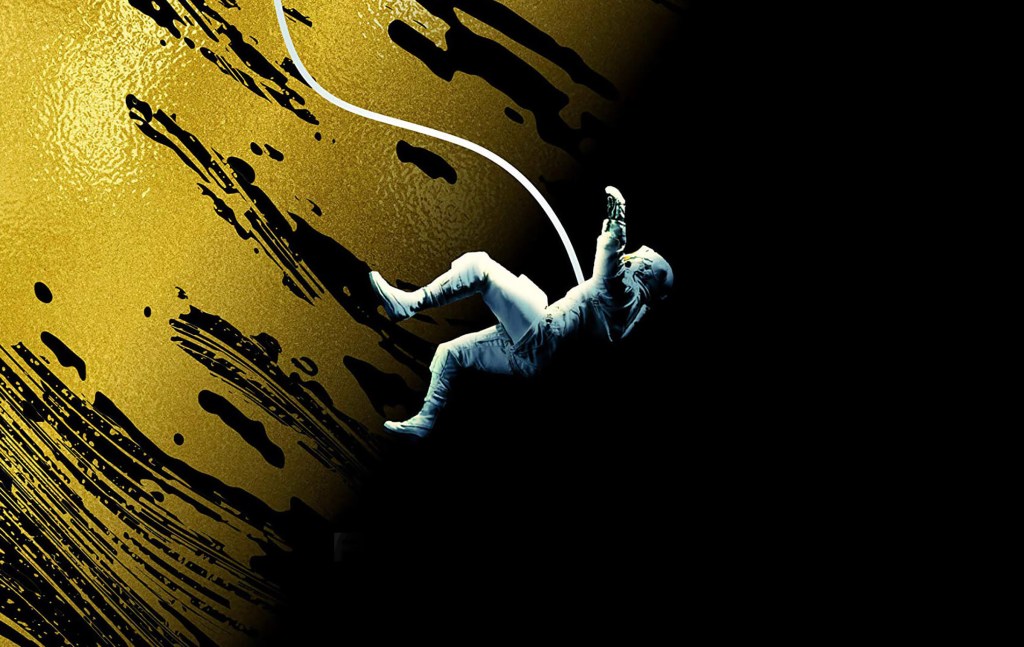
To be honest, you could put either Project Hail Mary or The Martian on this list because they are both equally great masterpieces of science fiction, but Project Hail Mary is just a little more fun to read (and it’s getting a movie adaptation this year which makes it a more timely read.) In Project Hail Mary, astronaut Ryland Grace wakes up on the space ship Hail Mary with amnesia. He’s left to figure out who he is, why he’s on the spaceship, who the two dead crewmates are, and perhaps most importantly, how he’s supposed to save the Earth as the sun is dying. Things get even more complicated when he encounters another spacecraft and he and the strange alien have to team up to save both of their planets.
Project Hail Mary takes concepts of hard science fiction (a subgenre that is largely concerned with accuracy) and delivers a story that is human and exciting as it is complex. Weir manages to be very scientific without burdening his story and the novel represents a perfect balance between the science and fiction of the genre overall.
3) Under the Skin by Michel Faber
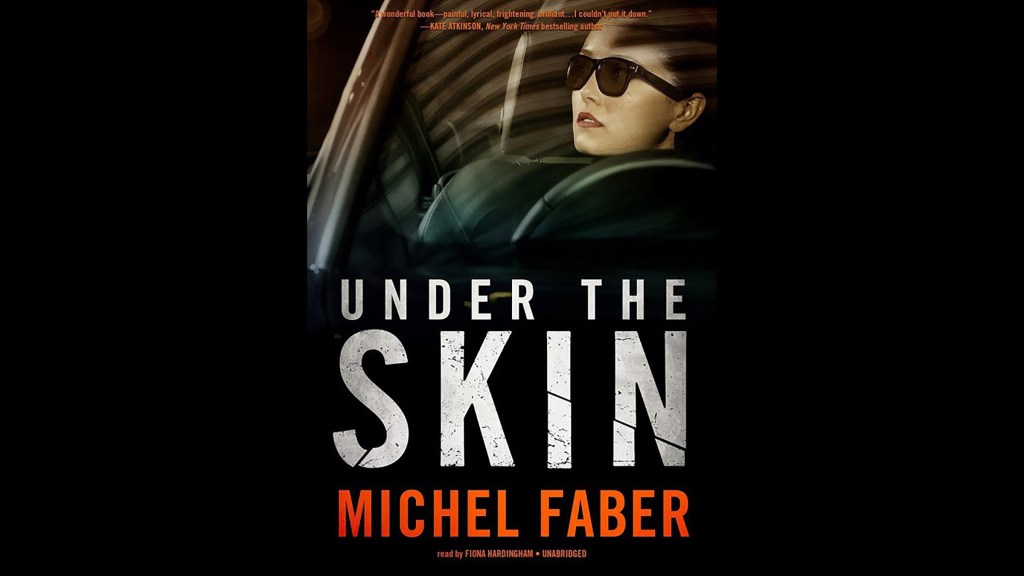
Under the Skin is a fascinating and haunting novel that mixes horror into things with it’s disturbing and strange story about an unusual drifter in the Scottish Highlands who picks up hitchhikers who, in turn, vanish. There’s a twist to things, the reason the drifter (named Isserley) is doing what she is doing that really needs to be read for yourself, but the novel is unsettling and beautifully written and one that will make you examine some interesting aspects of your own life.
Under the Skin also does what sci-fi does best but does so without needing to be a large-scale story or an interstellar epic. The novel is very much a smaller and more intimate tale and an excellent example of how personal sci-fi can be.
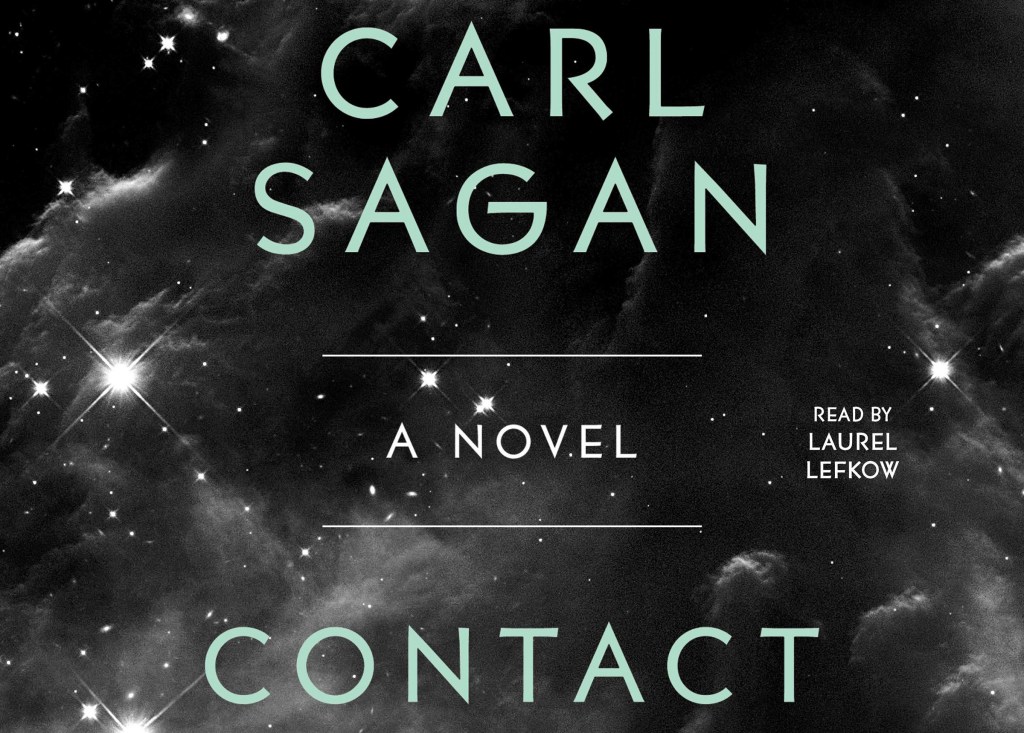
While I said at the beginning this list wouldn’t feature a lot of the “classics” that frequently appear on sci-fi masterpiece lists, that didn’t mean there wouldn’t be some exceptions — and Contact by Carl Sagan is one of them. Another book within the “hard science” subgenre, this classic about humanity’s first contact with advance alien life.
While there are plenty of novels that deal with the idea of first contact, what sets Sagan’s work apart is a combination of things. First, the book does an incredible job of maintaining scientific accuracy as well as a social response within the story that feels very realistic to what might happen should proof of alien life become undeniable. There’s also the novels’ character focus. Contact is not just a story about the science, but about the person within it, which also makes the book’s exploration of the complex and sometimes difficult relationship between science and spirituality all the more honest and fascinating. This is truly a no notes novel.
1) Kindred by Octavia Butler
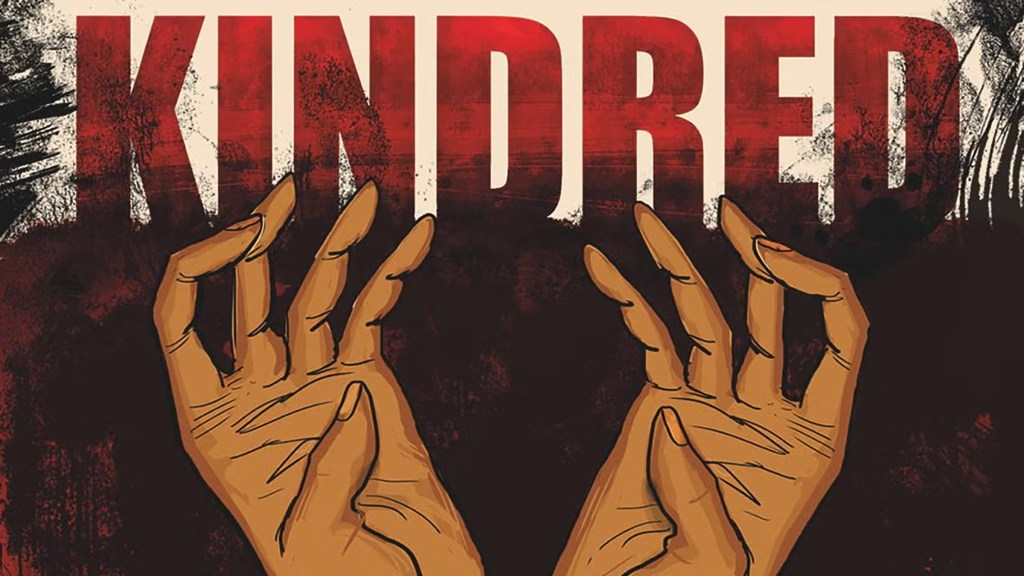
While we typically think about sci-fi as being futuristic and science-driven, the truth is that it is also very much a genre that is about the here and now — or more accuracy, the contemporary time period in which its story is set and written — and Octavia Butler’s Kindred is quite possibly the best example of sci-fi that feels present and is, in a very real sense, less about the science fiction aspect of the story and more about its commentary and themes, which include survival, identity, and historical trauma through the experience of slavery.
In Kindred, Dana, a Black woman in Los Angeles in the 1970s finds herself transported back in time to the 19th century plantation where her ancestors are enslaved. The more times she’s sent back in time and the longer she spends in the antebellum past, the more Dana has to confront the horrors of slavery and white supremacy, both past and present. It’s a novel that crosses boundaries as well as pushes boundaries and is essential reading.
What do you think? Leave a comment below and join the conversation now in the ComicBook Forum!






 English (US) ·
